
Why Legacy Estimating Software Is Slowing Down Insurance Restoration
Legacy estimating software isn't broken — it's just expensive, slow, and built for adjusters. Here's where it slows down contractors, and what AI-assisted estimating fixes that it can't.
Stale Pricing, Not Bad Code
Legacy estimating software is not broken. It's expensive, slow, and built for adjusters — but it works. The pricing database is current. The line items are exhaustive. The reports are professional.
What it isn't, is built for the contractor doing the work.
Where Legacy Software Slows You Down
1. The Learning Curve Is A Week Long
Most estimating software requires multiple days of training before you can produce a real estimate. New estimators ramp in weeks. New hires cost you a full month of low output before they break even.
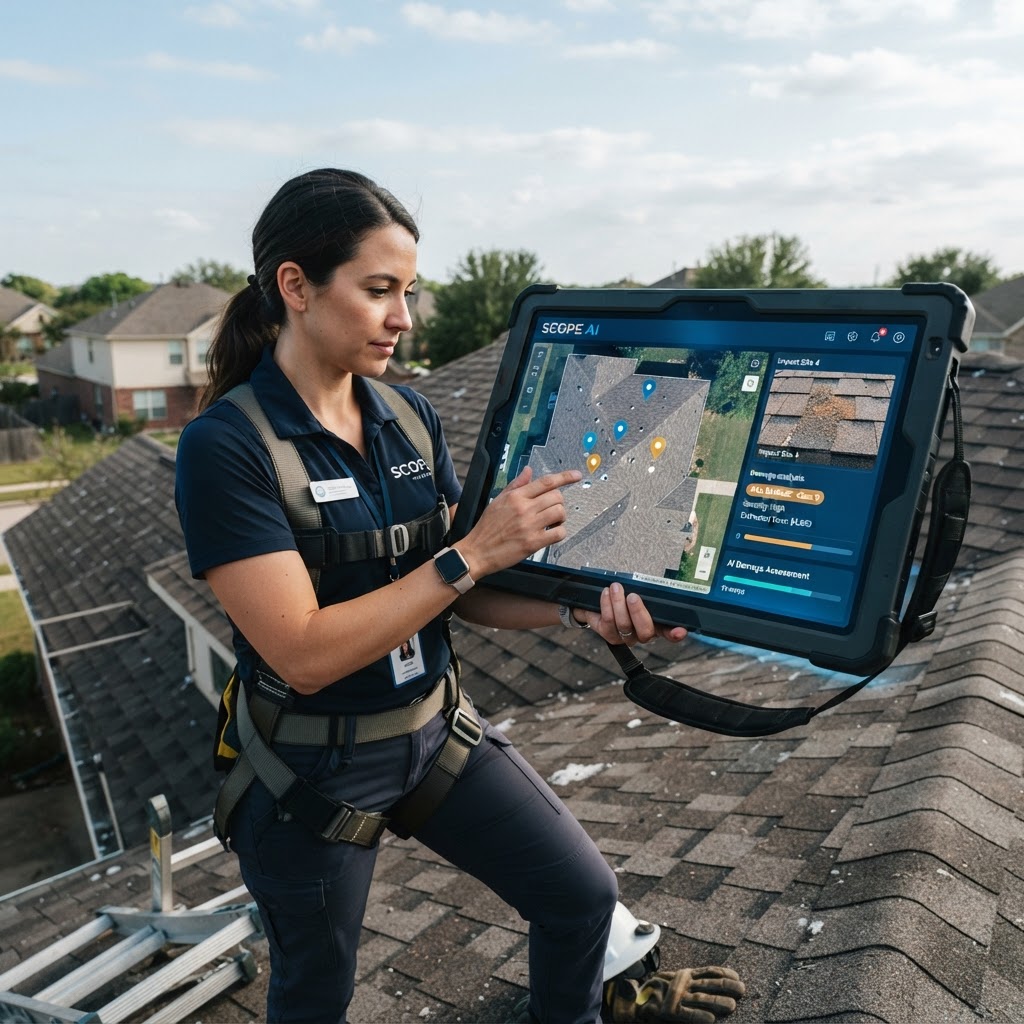
AI-assisted estimating produces a first estimate in 15 minutes. The learning curve is the time it takes to walk a roof — which is the part you already know.
2. It Doesn't Pull From Your Real Supplier Prices
Legacy software uses a regional pricing database — the "county average" for a bundle of architectural shingles in your zip code. That average includes high-volume suppliers selling at contractor pricing and small yards selling at retail. Your actual cost isn't in it.
If your supplier raises a price 12% this quarter, the database doesn't catch up for 6 weeks. You're writing estimates from data that's a season old.
AutoScope runs off your local price list. When your supplier raises a price, you update one entry. Every estimate from that moment forward reflects the real number.
3. It's Not Built For Supplement Workflows
Legacy estimating software produces one document: the estimate. It does not:
- Reconcile against the adjuster scope
- Identify which line items were missed
- Draft a supplement request with code citations
- Track the supplement through approval
The most important operational workflow in insurance restoration — supplement chasing — isn't a feature in legacy tools. It's a manual side-quest in a spreadsheet.
AutoScope has a dedicated supplement module. It reconciles your estimate against the adjuster scope, surfaces deltas, and drafts the request — all line item by line item.
4. There's No Adjuster Communication Log
When was the last time you emailed the adjuster? Did you cc anyone? Did they reply? Did they promise something? Most contractors track this in a notebook. The ones who win consistently track it in software that timestamps every interaction and surfaces overdue follow-ups.
What Legacy Software Is Actually Good At
Honest answer: it's excellent at producing a deliverable for a carrier that specifically requests that format. Some national carriers require Xactimate-style estimates for direct submission. If you're submitting to that carrier, you need the format.
For everyone else — and that's most contractors — you don't need the format. You need:
- A line-itemized estimate the adjuster can read (any format works)
- A supplement request with code citations
- A final invoice with photo attachments
- A communication log proving every agreement
Legacy software does the first one in 4 hours. AI-assisted software does all four in 15 minutes.
The Total Cost Of Slow Estimating
Legacy estimating software:
- $200+/month per seat
- 4 hours per estimate
- One output format (the estimate)
- No supplement workflow built in
- No adjuster communication log
- No job-tracking pipeline
AI-assisted estimating in AutoScope:
- Significantly less per month (pricing tiers from starter to business)
- 15 minutes per estimate
- Estimate + supplement + invoice + adjuster log + job pipeline all in one
- Built for contractors who run the whole job — not just write the estimate
Migrate Without Losing Data
Most contractors avoid switching because they assume they'll lose years of customer data. You won't. Your customer list, supplier list, price list, and historical estimates all import cleanly into AutoScope — typically in under an hour.